
CREATE EFFECTIVE ORGANIZING SYSTEMS
- Organized Gem
- Jul 2, 2024
- 2 min read

Updated: Aug 29, 2025

Organizing systems play a pivotal role in maintaining a clutter-free and efficient living space. Whether you're tackling a messy closet, a home office, or your entire home, implementing effective organizing systems can make a significant difference. In this guide, we'll explore practical strategies to create organizing systems that work seamlessly for your lifestyle.
Needs
Before diving into organizing, assess your specific needs and goals. Identify problem areas in your home and prioritize spaces that require immediate attention. Understanding your organizing priorities will guide the creation of tailored systems.
Declutter
Organizing is most effective when paired with decluttering. Before implementing any system, go through your belongings and purge items that are no longer needed or bring value to your life. Decluttering creates a clean slate and sets the stage for effective organization.
Categories
Group similar items together to create clear and distinct categories. Whether it's clothes, documents, or kitchen items, sorting belongings into categories simplifies decision-making and makes it easier to find what you need.
Storage Solutions
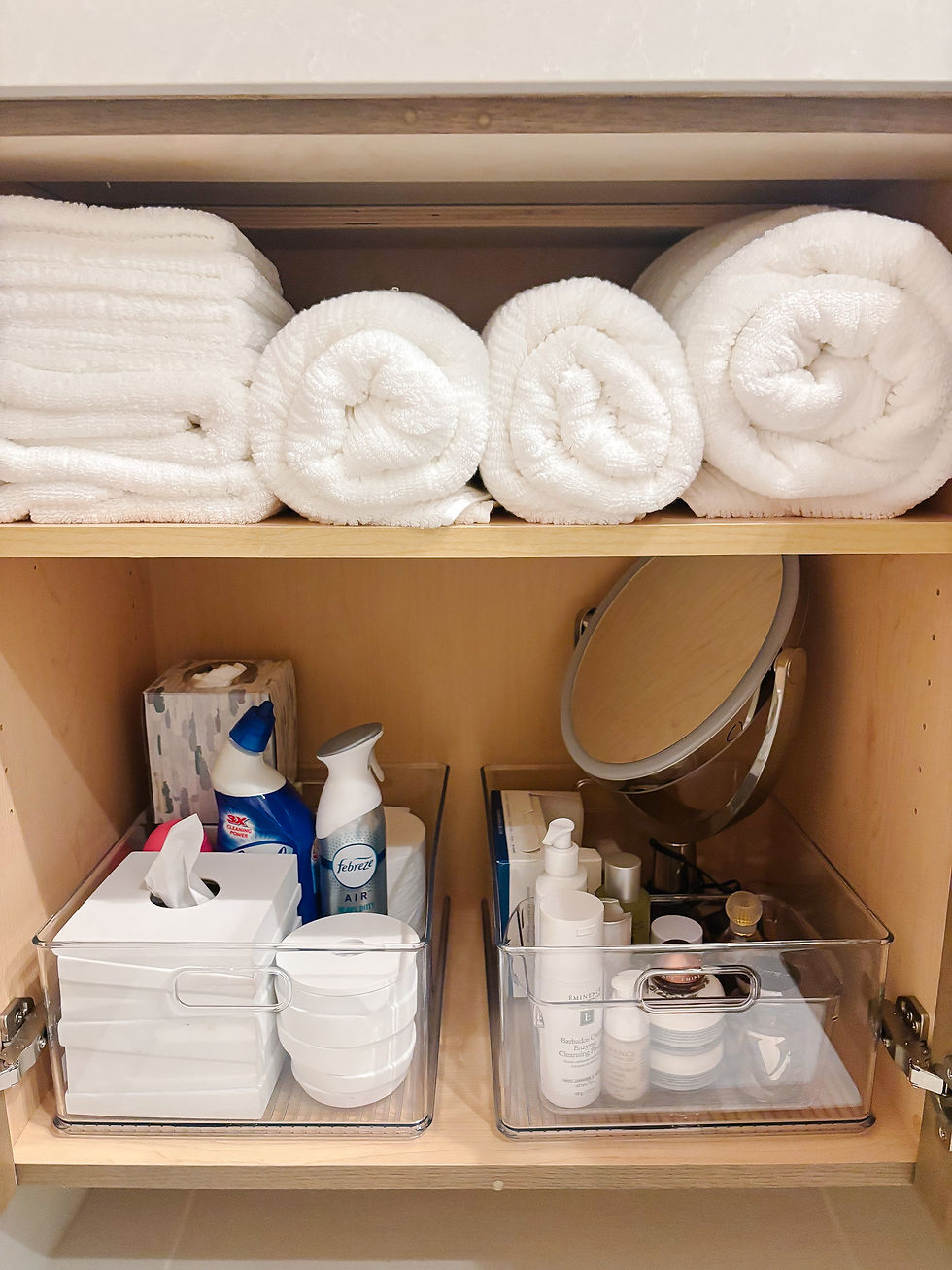
Choose storage solutions that align with your needs and available space. Consider clear bins, baskets, shelves, and drawer organizers to maximize storage efficiency. Utilize vertical space and invest in furniture with built-in storage to make the most of every inch.
Label
Labels are essential for maintaining an organized system. Clearly label containers, shelves, and drawers to make it easy to locate items. Use consistent labeling systems throughout your home for a cohesive and intuitive organizational structure.
Visibility
Arrange items in a way that promotes accessibility and visibility. Frequently used items should be easily reachable, while less-used items can be stored in less accessible spaces. Transparent containers and open shelving can enhance visibility.
Home
Assign a specific home for each item to prevent clutter and make it easy to put things away. Encourage everyone in your household to return items to their designated places to maintain the integrity of your organizing systems.
Routines
Develop daily or weekly routines to maintain organization. Spend a few minutes each day tidying up and returning items to their designated places. Consistent routines prevent clutter from accumulating and keep your organizing systems functional.
Adaptability
Organizing systems should be adaptable to changes in your lifestyle. As your needs evolve, be prepared to adjust and refine your systems. Flexibility is key to creating sustainable and long-lasting organizational solutions.
Maintenance
Schedule regular maintenance sessions to assess the effectiveness of your organizing systems. Identify areas that may need adjustments or improvements. Regular maintenance ensures that your systems continue to meet your evolving needs.
Household
If you share your living space with others, involve them in the organizing process. Collaboratively establish systems that work for everyone, ensuring that the organizational strategies are practical and sustainable for the entire household.
Conclusion: Creating organizing systems that work requires a thoughtful and personalized approach. By assessing your needs, decluttering, investing in suitable storage solutions, and maintaining consistent routines, you can establish effective systems that simplify your life and bring order to your living spaces. Remember, the key is to tailor your organizational strategies to fit your lifestyle and habits for long-term success.


header.all-comments